


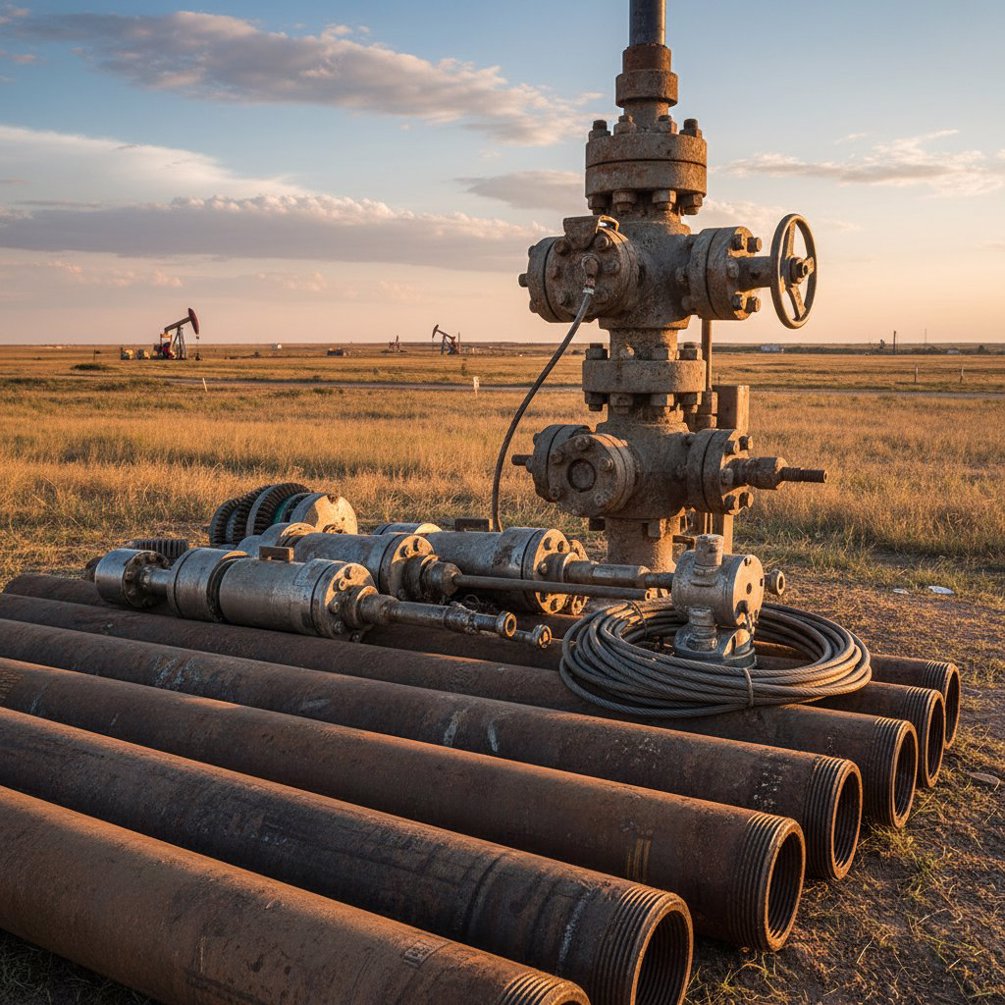
Key Takeaways
- Casing failures cost operators anywhere from $500,000 to several million dollars in remediation — routine inspection is far cheaper than emergency repair.
- Modern casing inspection tools detect corrosion, mechanical damage, and connection failures before they cause production loss or environmental violations.
- Operators in corrosive environments like the Permian Basin and Mid-Continent should inspect casing on a regular schedule, not just when problems appear.
- Combining casing inspection data with production logging gives a complete picture of wellbore integrity and performance.
Why Casing Inspection Matters for Oil and Gas Operations
Casing is the structural backbone of every oil and gas well. It prevents formation collapse, isolates producing zones, protects groundwater, and maintains the pressure integrity that keeps your well producing safely. When casing fails, the consequences are immediate and expensive — lost production, environmental liability, regulatory violations, and potentially the loss of the entire well.
Despite how critical casing is, many operators treat inspection as an afterthought. They wait until production anomalies or regulatory pressure forces their hand. By then, the damage is often extensive. A proactive casing inspection program catches problems early, when repair options are still on the table and costs are manageable.
For operators running wells across Kansas, Texas, Louisiana, and Colorado, the range of downhole conditions — from highly corrosive H₂S environments to high-pressure completions — makes casing integrity monitoring essential to long-term asset value.
Common Warning Signs of Casing Failure
Casing rarely fails without warning. Operators who know what to watch for can catch deterioration early and avoid catastrophic failures. Here are the most reliable indicators that a casing inspection is overdue.
Unexplained Changes in Production
A sudden drop in oil or gas production — or an unexpected increase in water cut — often points to a casing breach. When casing loses integrity, formation fluids from non-target zones can enter the wellbore, diluting your production stream and reducing recovery efficiency. If your production profile shifts without a clear operational explanation, casing damage should be on your differential diagnosis.
Sustained Casing Pressure
Pressure on the annulus that will not bleed off is one of the clearest indicators of a casing or cement integrity problem. Sustained casing pressure (SCP) means formation fluids or gas are migrating through a compromised barrier. Regulators in Texas, Kansas, and Louisiana all have specific SCP reporting requirements, and unresolved SCP can lead to well shutdowns.
Corrosion Indicators
Wells producing fluids with high CO₂, H₂S, or chloride content are at elevated risk for internal corrosion. If your chemical treatment program is fighting a losing battle — rising inhibitor costs, increasing corrosion coupon readings — it is time to get eyes on the casing wall thickness. Permian Basin and Mid-Continent wells are particularly susceptible to CO₂-driven corrosion.
Age and Well History
Wells over 20 years old, wells that have undergone multiple workovers, and wells with a history of high-pressure stimulation treatments all carry higher casing failure risk. Mechanical fatigue accumulates over time, and each intervention adds stress to connections and pipe body.
Casing Inspection Methods and What They Reveal
Modern casing inspection goes far beyond simple caliper surveys. Today’s tools provide detailed, quantitative measurements of wall thickness, corrosion patterns, and mechanical deformation that give operators the data needed to make informed repair-or-abandon decisions.
Electromagnetic Inspection Tools
Electromagnetic (EM) tools measure casing wall thickness by analyzing how magnetic fields interact with the steel. They can detect both internal and external metal loss, identify corrosion pitting, and measure remaining wall thickness to within fractions of a millimeter. EM tools work through scale and deposits, making them reliable even in wells with significant buildup.
Multi-Finger Caliper Tools
Multi-finger calipers use an array of mechanical fingers — typically 24 to 60 — to map the internal profile of the casing. They excel at detecting mechanical damage like dents, buckles, and ovality, as well as internal corrosion patterns. The high-resolution data produces a 3D image of the casing interior that makes damage assessment straightforward.
Ultrasonic Tools
Ultrasonic inspection tools send acoustic pulses through the casing wall and analyze the reflections to measure wall thickness and detect flaws. They can differentiate between internal and external defects and provide precise measurements of remaining metal. Ultrasonic tools are particularly valuable for evaluating cement bond quality behind the casing simultaneously.
Combining Inspection with Production Logging
The most complete wellbore assessment pairs casing inspection with production logging. While casing inspection tells you the mechanical condition of the pipe, production logging shows you how fluids are moving in and out of the wellbore. Together, they reveal whether a casing defect is actively affecting production — critical information for prioritizing repairs. Eagle Reservoir Services specializes in this integrated approach, using their proprietary PLATO software to build a complete picture of well conditions from temperature, pressure, and mechanical data.
When to Schedule a Casing Inspection
The right inspection schedule depends on well conditions, regulatory requirements, and risk tolerance. However, certain situations should trigger an immediate inspection regardless of schedule.
- Before a workover or stimulation: Confirming casing integrity before pumping high-pressure fluids prevents equipment failures and surface incidents.
- After any sustained casing pressure event: SCP indicates a barrier failure that needs to be located and characterized.
- When converting a well to injection service: Injection wells face stricter regulatory requirements under the EPA’s Underground Injection Control (UIC) program. Casing must meet specific integrity standards before conversion.
- At regular intervals in corrosive environments: Wells producing corrosive fluids should have casing inspected every 3–5 years, depending on corrosion rates and inhibitor effectiveness.
- When production anomalies appear: Unexplained water, pressure changes, or gas migration all warrant a look at casing condition.
For operators in the Mid-Continent and Gulf Coast regions, state regulations often dictate minimum inspection intervals for certain well classes. Staying ahead of these requirements avoids costly enforcement actions and well suspensions.
What Happens After a Casing Inspection
Inspection data is only valuable if it leads to clear decisions. A thorough casing inspection report should give you quantitative measurements of wall thickness, maps of corrosion or damage patterns, and an engineering assessment of remaining casing life.
Based on the findings, operators typically face one of three paths:
- Continue operating with monitoring: Minor wall loss within acceptable limits. Set a reinspection interval and track progression.
- Repair: Localized damage that can be addressed with a casing patch, liner, or squeeze cement job. Repair costs are a fraction of replacement.
- Plug and abandon: Severe, widespread damage where repair is not economically justified. Early detection means you make this decision on your terms, not in an emergency.
Having accurate inspection data transforms these from gut-feel decisions into engineering decisions backed by real measurements. If you are managing a portfolio of aging wells and need to prioritize where to invest your maintenance budget, contact Eagle Reservoir Services or call (337) 852-9674 to discuss an inspection program tailored to your operations.
Frequently Asked Questions
What does a casing inspection reveal about well integrity?
A casing inspection measures the remaining wall thickness of the steel pipe, identifies areas of corrosion (both internal and external), detects mechanical damage such as dents or buckling, and evaluates connection integrity. This data tells operators whether the casing can safely contain wellbore pressures and isolate producing zones from surrounding formations and groundwater.
How often should casing be inspected in oil and gas wells?
Inspection frequency depends on well conditions. Wells in corrosive environments with high CO₂, H₂S, or chlorides should be inspected every 3 to 5 years. Wells converting to injection service require inspection before conversion and periodically thereafter per EPA Underground Injection Control requirements. Any well showing sustained casing pressure, unexplained production changes, or regulatory triggers should be inspected immediately regardless of schedule.
What are the signs of casing failure in an oil well?
The most common signs include sustained casing pressure that will not bleed off, unexplained increases in water production, sudden drops in oil or gas output, changes in annular pressure readings, and rising chemical treatment costs due to corrosion. Wells over 20 years old or those with extensive workover histories are at higher risk and should be monitored more closely.
How much does it cost to ignore a casing problem?
A casing failure that goes undetected can result in costs ranging from $500,000 to several million dollars, including emergency workover operations, environmental remediation, regulatory fines, and lost production. In severe cases, the well may need to be plugged and abandoned entirely. Routine casing inspection costs a fraction of these amounts and allows operators to plan repairs proactively rather than react to emergencies.